Skip to content

Filtration media
for water treatment.
Better water. Better process.

We supply eight filtration media — anthracite, zeolite, pumice, activated carbon, garnet, manganese dioxide, sand and gravel, and calcite — compliant with the applicable UNE-EN standards and with NSF certification. Selection starts from an analysis of the water to be treated, not from the catalogue.

Technical requirements analysis

Technical validation support

Quality control

Reliable supply

Which filtration medium does each type of water need?

The right medium depends on what needs to be removed from the water: suspended solids, iron and manganese, organic matter and chlorine, or hardness after reverse osmosis. We analyse the water and the operation before recommending grading, bed depth and a single-media or multimedia configuration.

Anthracite

Single-media and multimedia bed filtration for drinking water. Angular shape: high performance with lower head loss. UNE-EN 12909, AWWA B100, NSF-certified. Bulk and 25 kg sacks.
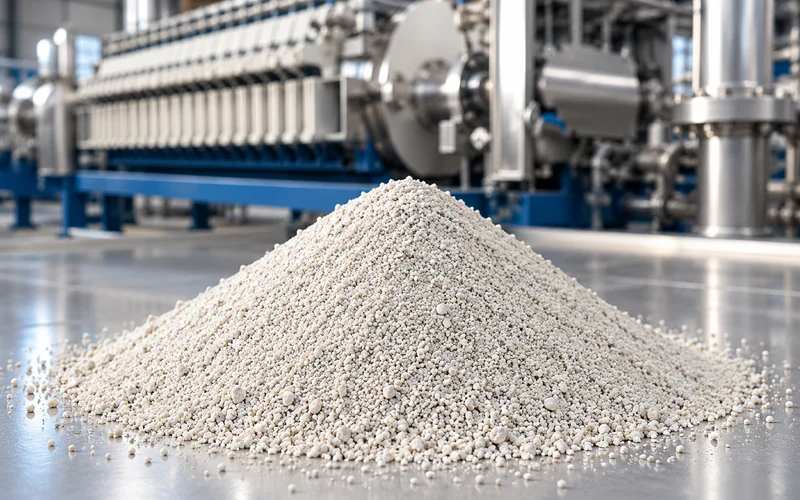
Zeolite

Retains particles down to 1 micron. Allows higher filtration rates with reduced SDI and turbidity. Seawater and brackish water desalination, and drinking water treatment. UNE-EN 16070, NSF-certified. Bulk and 21.5 kg sacks.
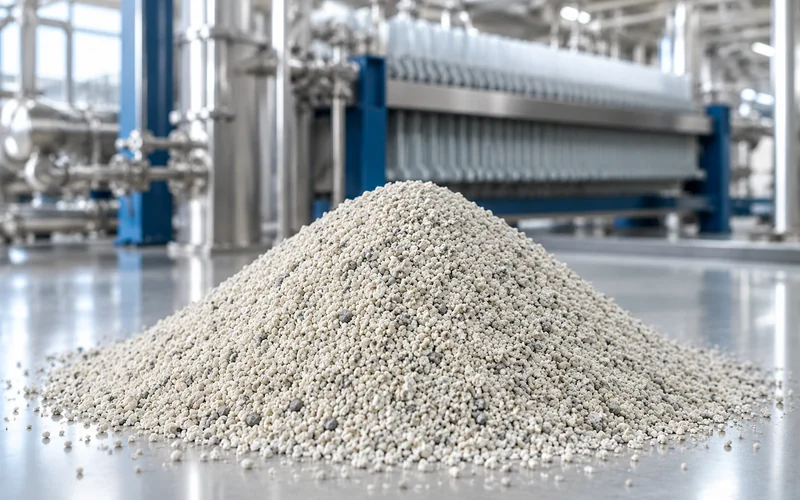
Pumice

Low-density, high-porosity volcanic igneous rock. Desalination, seawater reverse osmosis and wastewater. UNE-EN 12906:2013, NSF-certified. Bulk.
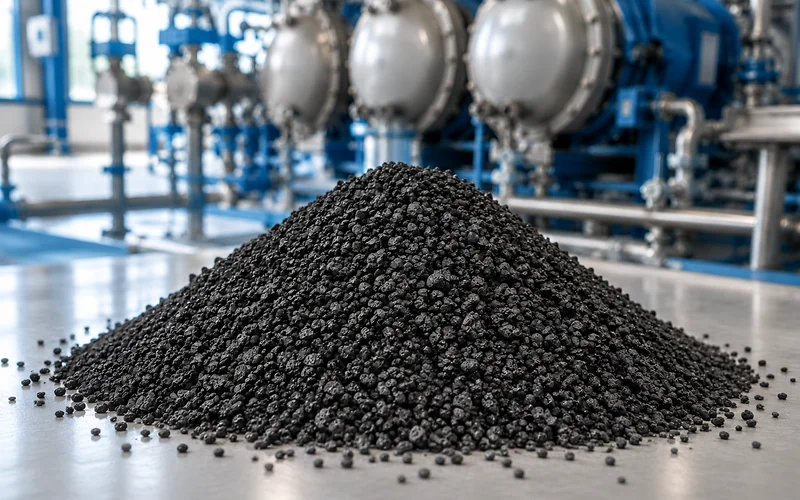
Activated carbon

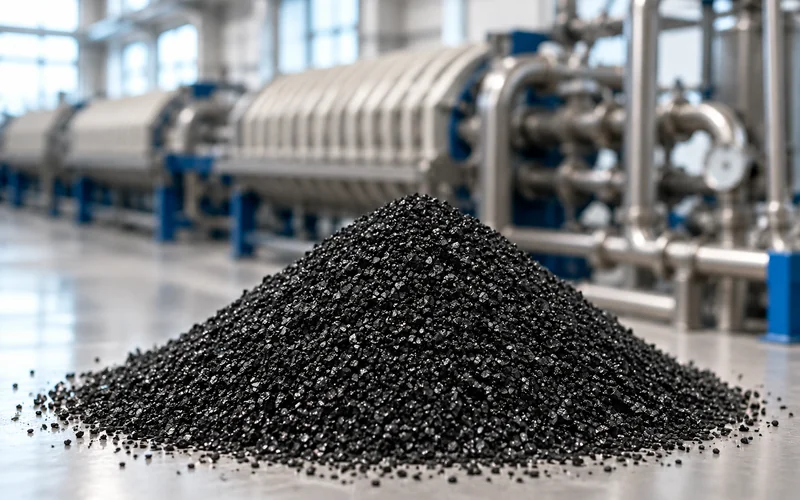
Removal of organic matter and chlorine. Mineral or coconut shell origin, steam-activated at high temperature. UNE-EN 12915:2009, NSF-certified, REACH-compliant. Bulk and 25 kg sacks.
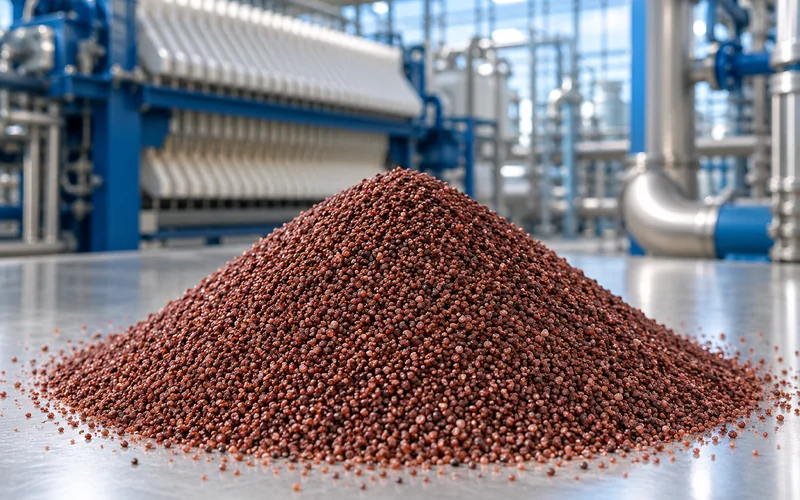
Garnet

High density for dual-media filters with anthracite and for water with metal content. UNE-EN 12910, AWWA B100, NSF 61. Bulk and 25 kg sacks.
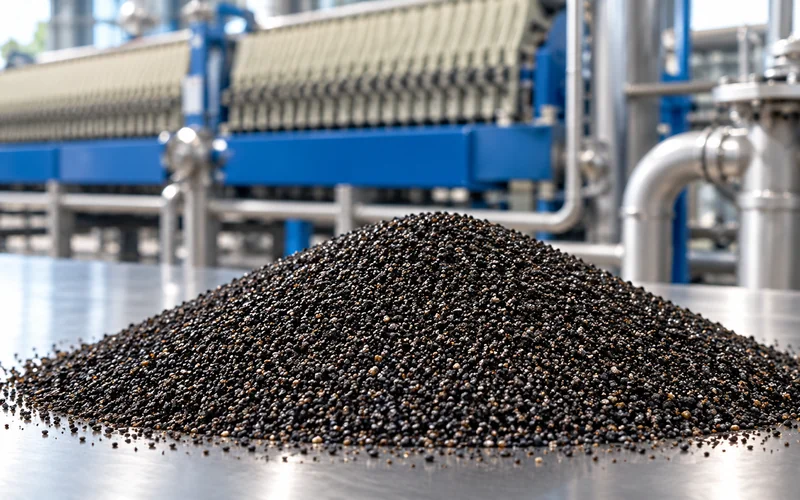
Manganese Dioxide

Removal of iron and manganese from drinking water. Purity of up to 85%. Single-media, dual-media or multimedia beds. UNE-EN 13752. Bulk and 25 kg sacks.
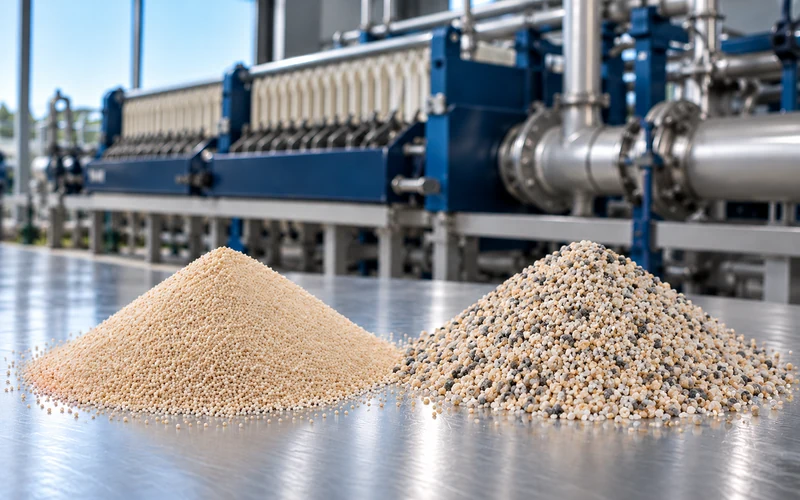
Sand and gravel

Sand with an SiO₂ content above 98%, particle sizes from 0.5 to 5 mm. Gravel as a support bed with custom grading. UNE-EN 12904, ANSI/AWWA B100, NSF-certified. Bulk.
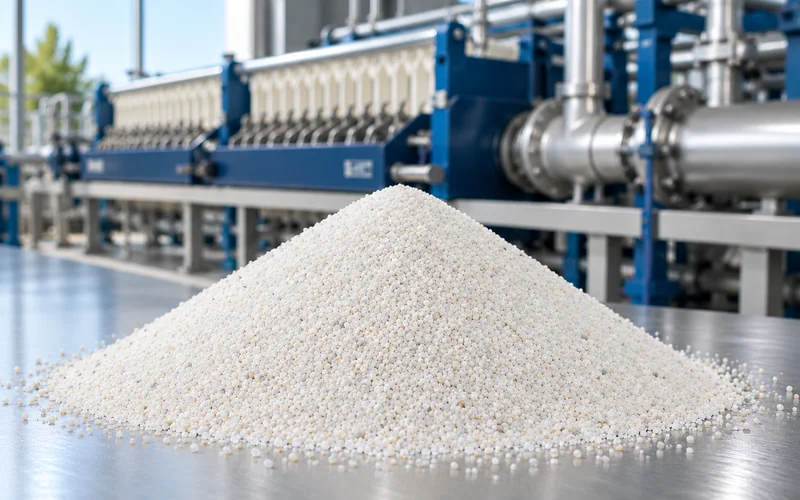
Calcite

Remineralisation of water after reverse osmosis. CaCO₃ content above 98%. UNE-EN 1018, NSF-certified. Bulk.
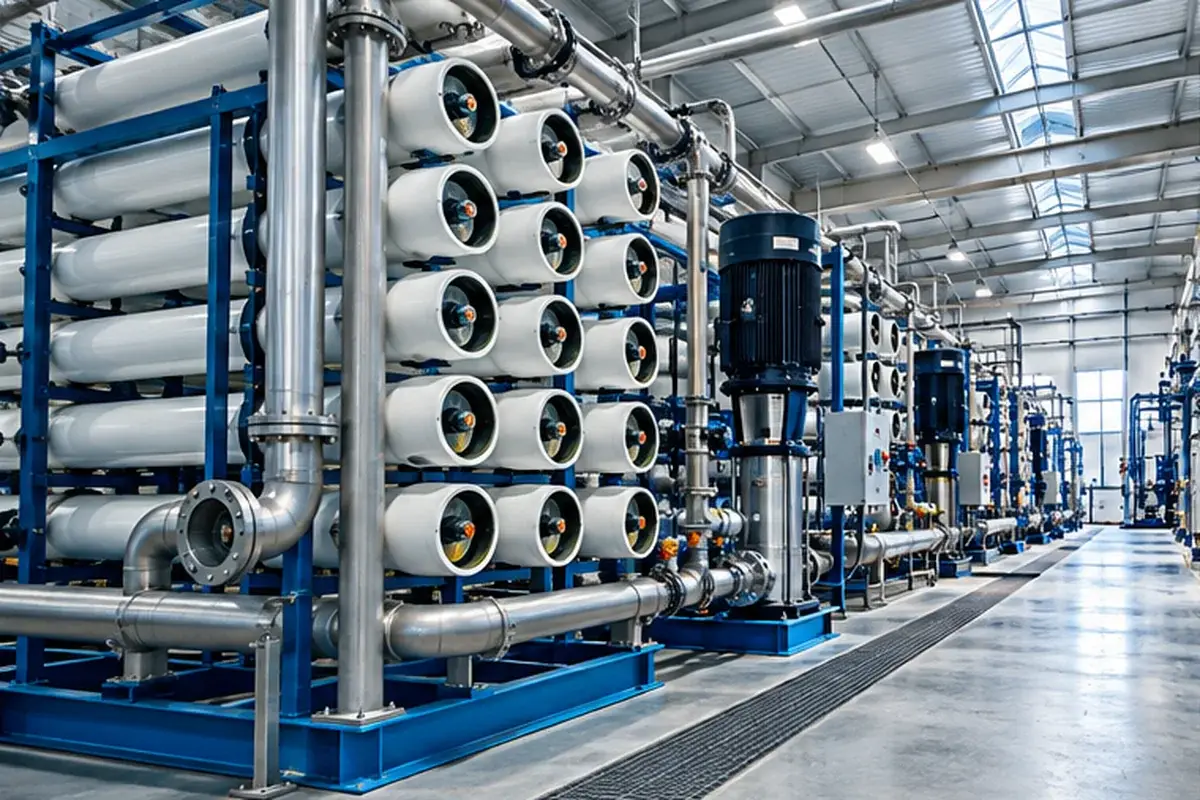
FILTRATION PERFORMANCE

The right filtration medium determines the performance of the entire installation.

Choosing the wrong filtration medium can lead to high head losses, shorter filtration cycles and inadequate particle retention.

At KEIKEN, we help select the most suitable filtration media and media combinations to improve plant performance and simplify maintenance.

01
02
03
04
Technical requirements analysis

We review the technical specifications of each project to identify the most suitable filtration media.

Technical validation support

We provide documentation, technical datasheets and specialist advice to validate the proposed media.

Quality control

We verify the characteristics and specifications of the filtration media to ensure quality and compliance with project requirements.

Reliable supply

We coordinate material preparation and logistics to ensure reliable delivery within agreed lead times.

INDUSTRIAL APPLICATIONS

Filtration media for the major challenges in water treatment.

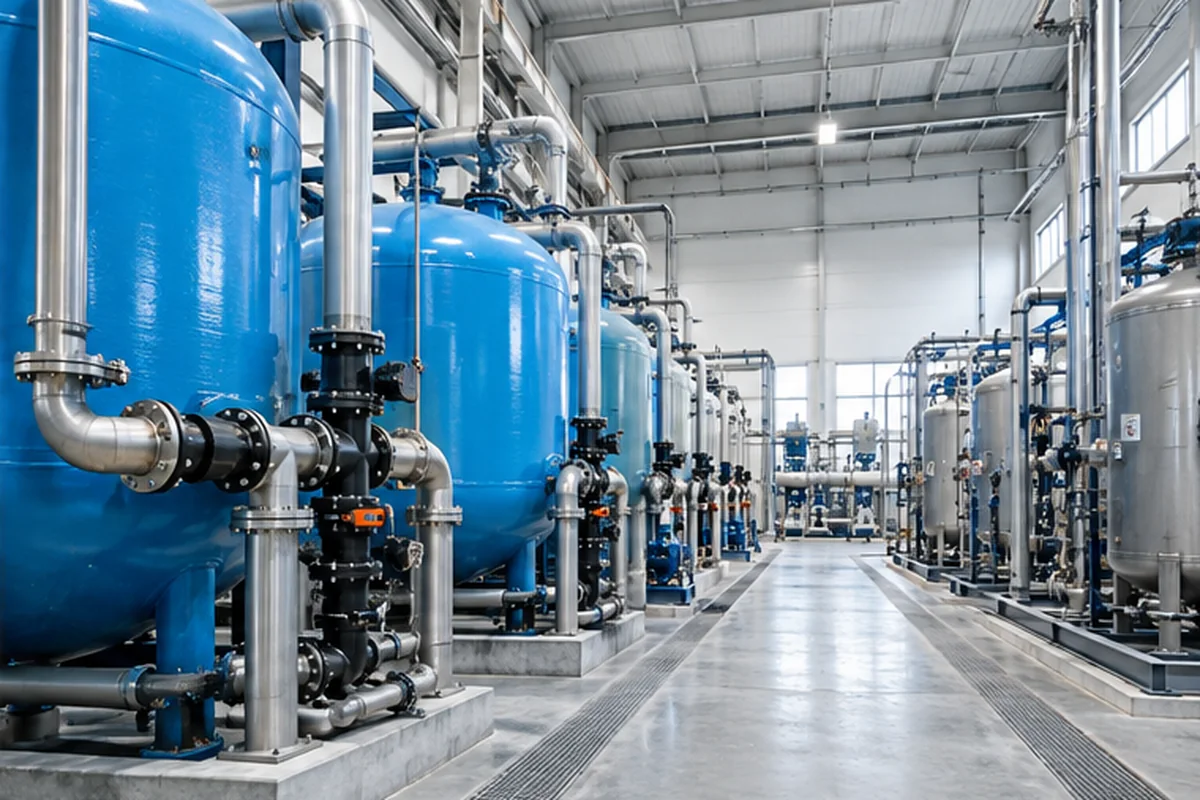
Our filtration media are used in desalination, drinking water treatment, wastewater treatment and industrial water treatment, with each medium selected to suit the process and its operating conditions.

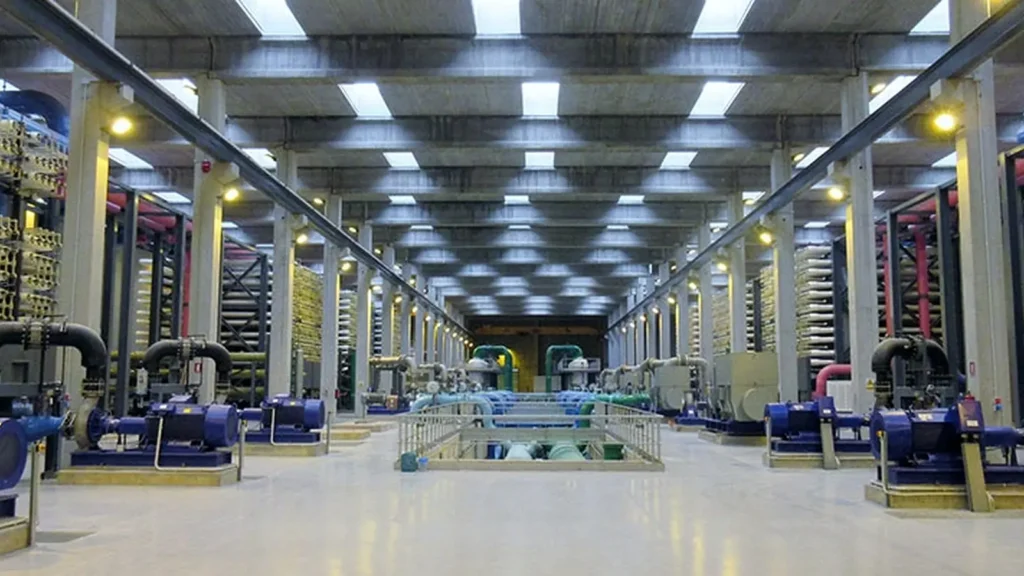
Anthracite, sand, garnet and other filtration media are used for pretreatment and solids reduction ahead of reverse osmosis membranes.

Materials for filtration, clarification and reduction of selected contaminants help achieve drinking water quality requirements.

Filtration media for tertiary treatment reduce solids and improve effluent quality before reuse or discharge.

Filtration solutions for process water, utility services and effluent treatment are tailored to the technical requirements of each industry.

Desalination and reverse osmosis

Drinking water treatment
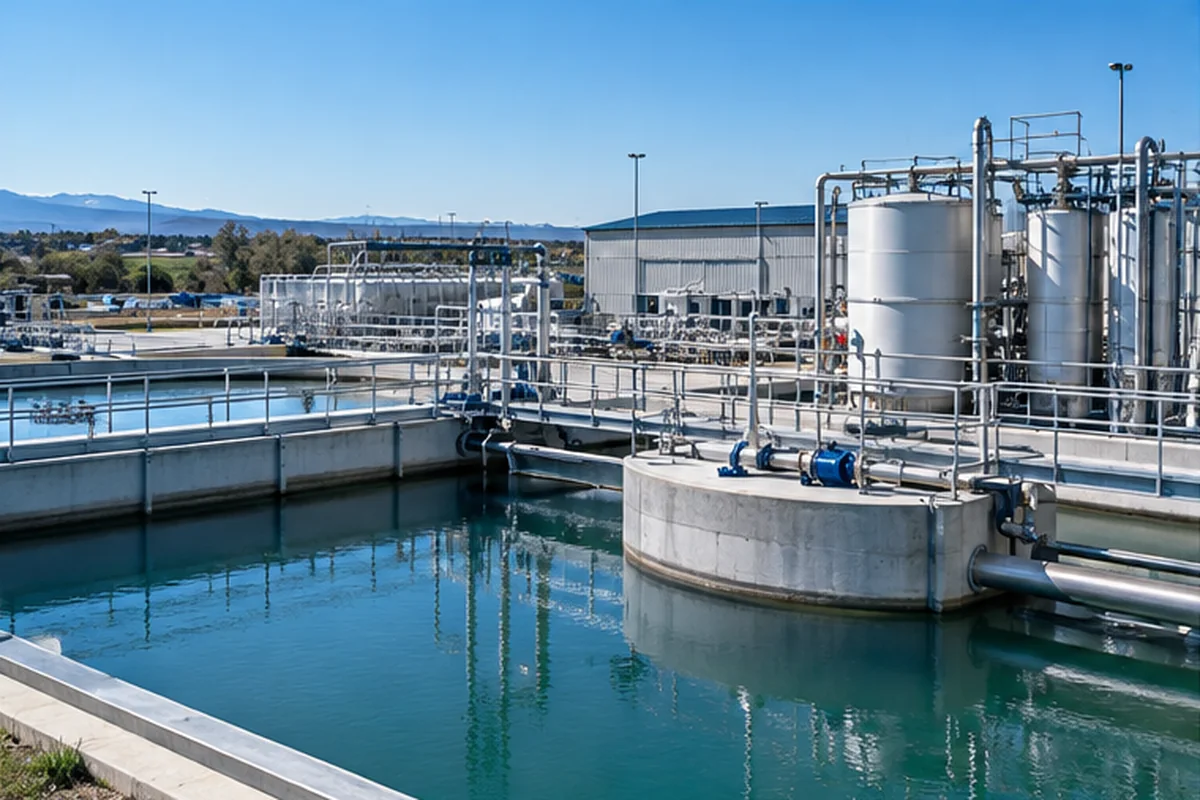
Wastewater treatment and reuse
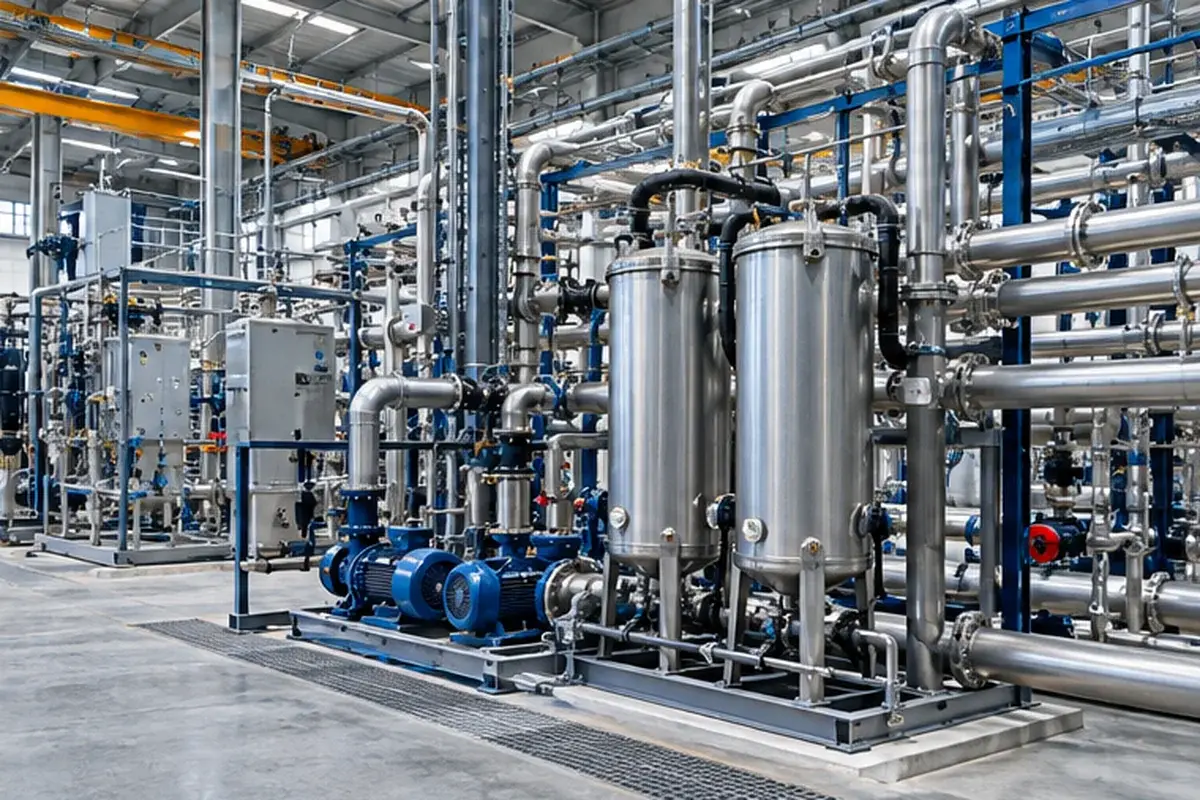
Industrial processes
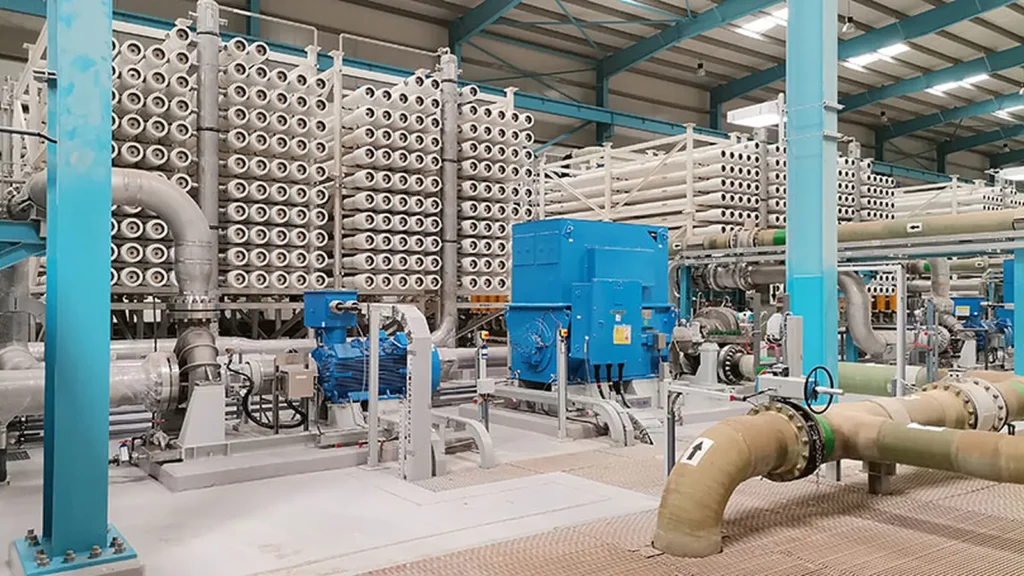
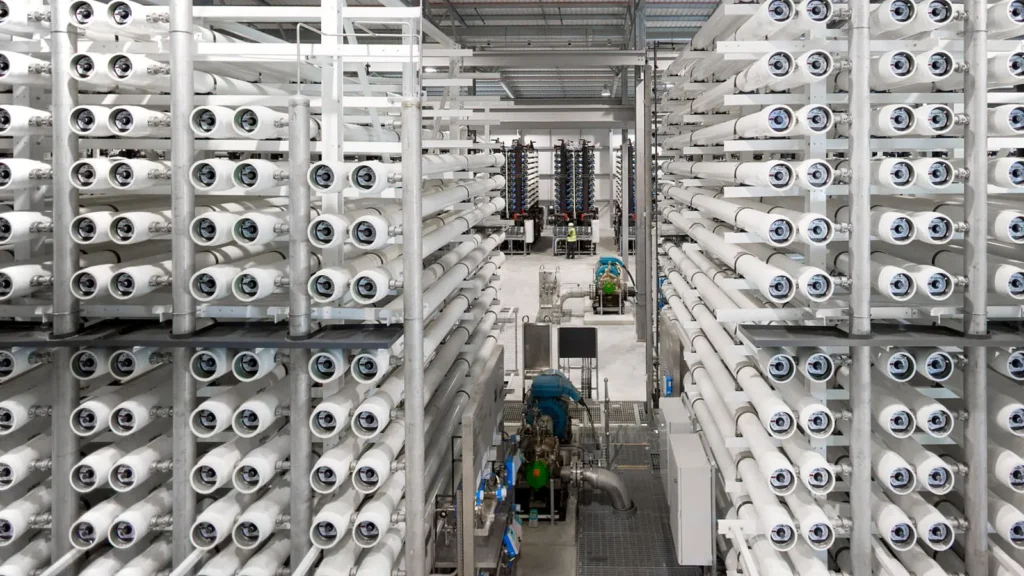
PROJECTS

Experience demonstrated on site.

A selection of projects where we have supplied engineering, manufacturing, equipment or materials across different countries and applications.

FREQUENTLY ASKED QUESTIONS

Answers to your questions about filtration media.

It depends on what needs to be removed. For suspended solids, anthracite, sand or pumice; for iron and manganese, manganese dioxide; for organic matter and chlorine, activated carbon; for remineralisation after reverse osmosis, calcite; and for water with metal content or dual-media filters, garnet.

Yes. Dual-media and multimedia beds combine media of different density and grading — anthracite over sand, or anthracite over garnet — to make use of the full depth of the bed and reduce head loss.

To remove organic matter, chlorine and compounds that affect taste and odour. Mineral or coconut shell origin, steam-activated at high temperature. Compliant with UNE-EN 12915:2009, NSF-certified and REACH-compliant.

For suspended solids filtration, on its own or in a dual-media bed over sand. Its angular shape delivers high performance with lower head loss. Compliant with UNE-EN 12909 and AWWA B100, NSF-certified.

It retains particles down to 1 micron and allows higher filtration rates, with an appreciable reduction in SDI and turbidity. It is used in seawater and brackish water desalination and in drinking water treatment. Compliant with UNE-EN 16070, NSF-certified.

From the flow rate, the filtration area, the inlet water quality and the expected filtration rate. Grading and bed depth are defined together: they determine head loss, retention capacity and the wash cycle.

Flow rate, water quality, filter dimensions, current material, treatment objective and operating conditions.

Yes, with custom grading, compliant with UNE-EN 12904 and ANSI/AWWA B100, NSF-certified.

With material compliant with the UNE-EN standard for each medium, NSF certification where applicable, and grading and composition control for each batch.

Yes. We can advise on loading, initial washing, bed expansion and operating parameters.

It depends on wear, contamination, loss of capacity and how performance evolves. Monitoring makes it possible to define the right time.

Yes. We review the current system and propose replacements or combinations compatible with the process.

Anthracite: UNE-EN 12909 · Zeolite: UNE-EN 16070 · Pumice: UNE-EN 12906:2013 · Activated carbon: UNE-EN 12915:2009 · Garnet: UNE-EN 12910 · Manganese dioxide: UNE-EN 13752 · Sand and gravel: UNE-EN 12904 · Calcite: UNE-EN 1018. NSF-certified where applicable.

In 1 m³ big bags and, depending on the material, in sacks: 25 kg for anthracite, activated carbon, garnet and manganese dioxide, and 21.5 kg for zeolite. Pumice, sand and gravel, and calcite are supplied in big bags.

LET’S TALK ABOUT YOUR PROCESS

We analyse your water and recommend the right filtration medium.

Do you need anthracite, silica sand, activated carbon, zeolite, garnet or other filtration media?

Our technical team can help you select the most suitable materials according to water characteristics, application and project specifications.

VERIFIED COMMITMENT

We are a B Corp company

B Corp certification independently assesses a company’s environmental and social performance, transparency and legal accountability. For us, it is more than a label: it provides a framework for our technical decisions. Every plant we design is also assessed for its energy consumption, the water footprint it helps reduce and its impact where it is installed.