
- Home
- Energy Efficiency
- Commercial and industrial PV installations

Industrial solar PV installations for businesses.
We design and deliver turnkey industrial solar PV installations to reduce electricity costs and increase your company’s energy independence. We analyse your actual consumption to develop an efficient, cost-effective solar self-consumption solution tailored to each facility, from engineering through to commissioning.
100% TAILORED
Sized to the actual electricity consumption of each facility.
TURNKEY
Engineering, installation, permitting and commissioning under one project.
3 INSTALLATION TYPES
Solar installations on roofs, on the ground and on photovoltaic carports.
MONITORING
Track solar production, self-consumption and energy performance.
We make the most of every surface to generate your own energy.
We design solar panel installations for businesses tailored to the available space, energy demand and technical conditions of each site. We integrate PV systems into existing infrastructure to maximise the use of the energy generated.
Solar PV installations on industrial rooftops
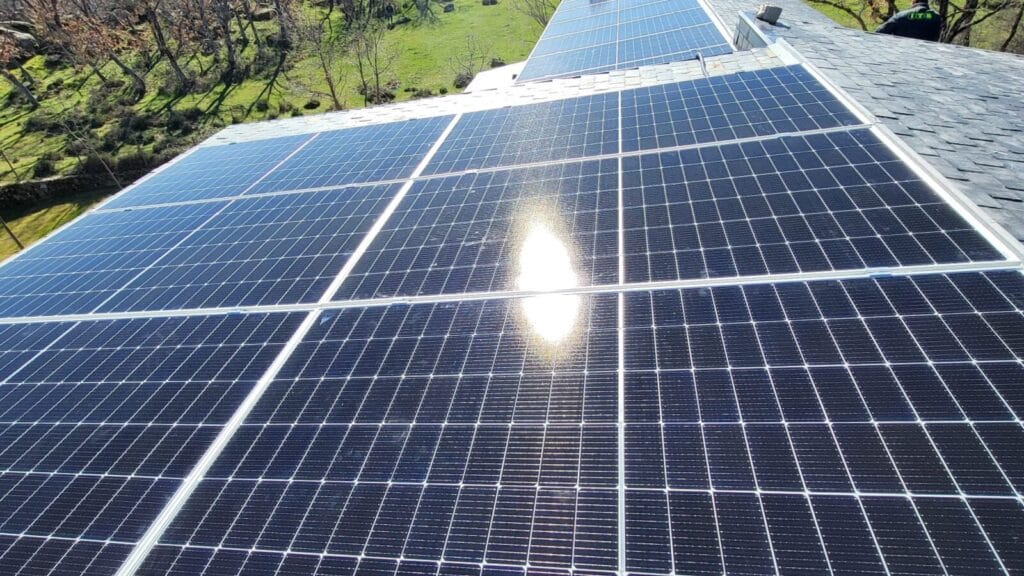
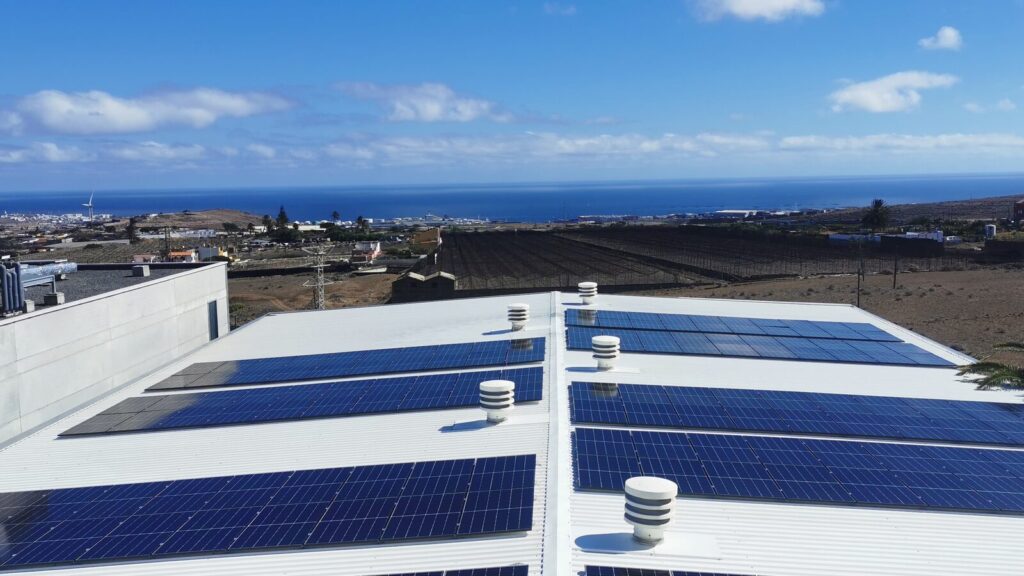
We turn the roofs of industrial buildings, factories and logistics centres into solar power generation spaces, with solutions tailored to their structure, orientation and load-bearing capacity.
Ground-mounted industrial solar PV plants
We design ground-mounted solar installations for companies with available land that need to increase their generation capacity. We assess layout, orientation and electrical connections to optimise performance.
Solar PV carports for parking areas
We transform car parks into renewable energy generation spaces, combining solar production, vehicle protection and the option to integrate EV charging points.
Reduce energy dependence. Improve competitiveness.
Rising and volatile electricity costs directly affect business competitiveness. A properly sized industrial solar PV self-consumption system makes use of electricity generated on site and reduces the power purchased from the grid.
At KEIKEN, we analyse each company’s energy profile to design solutions focused on savings, efficiency and control over consumption.
Lower electricity costs
Generate and consume your own electricity to reduce power purchased from the grid and improve the predictability of energy costs.
Optimised investment
We size the installation according to load profiles, production schedules and solar potential, balancing investment, self-consumption and financial return.
Greater energy control
We integrate monitoring systems to track production, detect deviations and assess performance of the solar PV installation.
We take care of everything. From the initial study to commissioning.
We provide a comprehensive industrial solar PV engineering and installation service, coordinating the technical, administrative and execution stages. A single point of contact to deliver a project tailored to your company’s energy and operational needs.
01. Energy assessment and feasibility
We analyse electricity bills, load profiles, available space and technical conditions to define the solution and estimate generation and savings.
02. Design and engineering
We develop the PV system sizing, equipment selection, electrical design and integration with the existing installation.
03. Installation and permitting
We install panels, inverters and electrical systems and manage the technical documentation, permits and statutory approvals included in the project scope.
04. Commissioning and monitoring
We check system operation, configure monitoring and enable performance tracking. Preventive maintenance and technical support can be added.
Projects that turn solar energy into savings.
We develop solar PV solutions tailored to our clients’ consumption, the characteristics of each installation and their energy objectives.
Discover other self-consumption, energy efficiency and renewable technology integration projects developed by KEIKEN.

Answers to your questions about industrial solar PV installations.
How much can a company save with an industrial solar PV installation?
Energy savings depend on electricity consumption, installed capacity, operating hours and the percentage of solar energy consumed on site. We carry out a feasibility study to estimate production, financial savings and return on investment.
How many solar panels does an industrial building need?
The number of industrial solar panels depends on electricity demand, usable surface area, orientation, shading and module power. The system must be sized according to the company’s actual consumption, not just the space available.
How long does an industrial solar PV installation take to pay for itself?
The payback period varies depending on the initial investment, solar production, electricity price and level of self-consumption. We analyse these factors to calculate a financial estimate tailored to the project.
Can solar power be installed without stopping industrial operations?
In many cases, much of the installation can be completed without interrupting production. Work requiring intervention in the electrical infrastructure is scheduled to minimise its impact and ensure safety.
How are solar panels integrated with the existing electrical installation?
The engineering design specifies protection systems, switchboards, cabling and connection points to ensure safe integration that complies with applicable regulations.
What does a turnkey industrial solar PV installation include?
The service may include an energy assessment, engineering, equipment supply, installation, electrical connection, permitting, commissioning and monitoring. The exact scope is defined in the technical proposal.
Can a solar PV installation be expanded in the future?
Yes, provided the technical conditions allow it. We can plan for future expansion during the design stage, assessing electrical capacity, available space and expected future energy needs.
Discover how much your company could save with solar energy.
Every industry has a different consumption profile. We analyse your energy needs, available surface area and technical conditions to design an industrial solar PV installation tailored to your company.
You do not need to know how many solar panels you need. We start by studying how you consume energy.

We are a B Corp company
B Corp certification independently assesses a company’s environmental and social performance, transparency and legal accountability. For us, it is more than a label: it is the framework guiding our technical decisions. Every plant we design is also assessed for its energy consumption, the water footprint it helps reduce and the impact it leaves where it is installed.