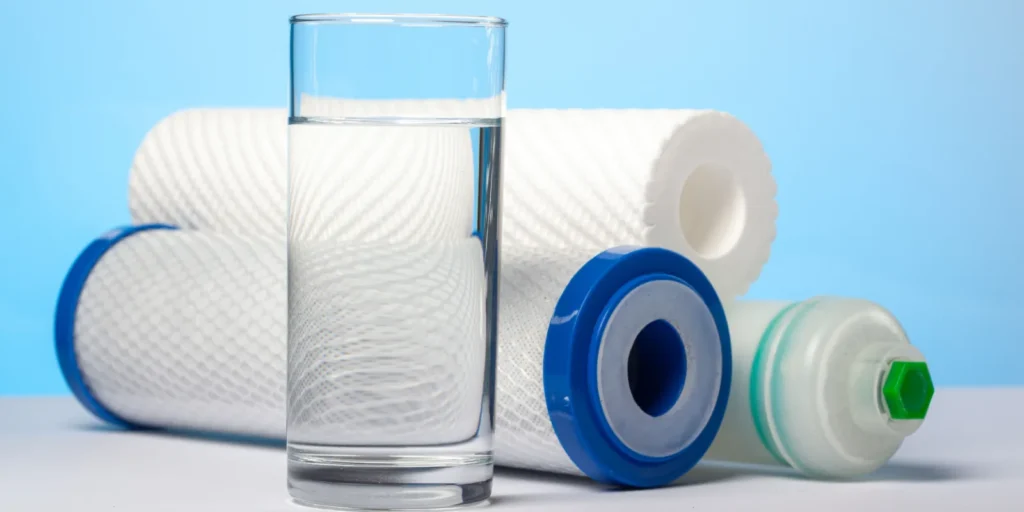
An effective filtration process is key to the efficiency and productivity of upstream, midstream and downstream operations in oil and gas production and refining. Not all cartridge filters are the same: minor changes in the characteristics of the filter element (also called a cartridge) can significantly affect process efficiency and performance.
Before looking at expert advice on cartridge filters for water filtration, let us first look at the types of filter cartridge.
Types of filter cartridge
1. Sediment filter cartridges
Sediment cartridges are used as pre-filters in water filtration units to remove solid particles such as sand, silt, rust and debris. They help prevent clogging and extend the life of downstream filters.
2. Carbon filter cartridges
Carbon cartridges effectively remove chlorine, volatile organic compounds and taste and odour from water. They contain activated carbon with a porous surface that traps contaminants.
3. Pleated filter cartridges
These cartridge filters offer a larger filtration area than traditional cylindrical filters. They are very good at capturing fine particles and sediment, which makes them suitable where high flow rates and longer filter life are required.
4. Wound filter cartridges
Made by winding string-like materials such as polypropylene or cotton around a core, wound cartridges are cost-effective and durable. They are good at removing larger particles and sediment from water, which makes them suitable for a range of industrial and residential uses.
These are some key questions that will help you buy the right cartridge for your filtration application.
What are you filtering?
The type, size and volume of the contaminants have a major influence on the type of cartridge filter you need. Depending on where the element sits in the process, it may need to filter specific contaminants ranging from solids to liquids or semi-solids.
Do you have a range of micron-sized contaminants, shear-sensitive solids or semi-solids? Paraffinic or waxy semi-solids, for example, can quickly blind surface-loading (pleated) elements, leading to frequent changes and higher operating costs.
What about chemical compatibility?
Another factor to consider is the chemical compatibility of the filter medium with the process fluid. The filter medium and components can be destroyed by chemical attack. The cartridge medium may also have an affinity for a product and swell, reducing its effectiveness. This leads to shorter filter runs and prematurely high differential pressures.
Where in the process is the element used?
Cartridge selection requires an assessment of the whole process. A filtration unit upstream of a heat exchanger protects it from fouling and loss of efficiency, but temperature limits can rule out some filtration options.
Each type of filter medium used to make the elements has temperature limits, and the options for operating effectively at high temperatures are limited. A filtration professional can work with you to make sure the filtration components suit your application.
Do you have an existing housing?
If you already have a housing, check whether the design works properly. Make sure the cartridges create a positive seal in use and that the filter is designed to minimise bypass paths. Many small filters, for example, have a double open end (DOE) configuration with a separate cap and spring, which creates several bypass points if they are not installed correctly.
Ask your filtration supplier whether the same cartridge is available with an integral end cap and spring. There are several options on the market from different manufacturers, and suppliers can advise whether the existing housing could be used more effectively by reconfiguring its internals.
Are you making the most of your current cartridge medium?
A cartridge should not be judged on surface area alone. Blinding occurs when saturation of the filter medium compromises filtration. When choosing cartridge filters, packing too much medium into a cartridge can reduce its effectiveness. Depth elements hold more contaminant, while pleated elements offer more surface area. Use filter analysis to assess performance: choosing the right cartridge is essential to successful filtration.
The bottom line
KEIKEN provides expert advice to help you choose the right filter and apply filtration solutions suited to your specific needs. See our filtration consumables or contact us.