
- Home
- Filtration
- Polyelectrolyte Units

Polyelectrolyte preparation and dosing units.
We design and supply automatic polyelectrolyte preparation systems for water and sludge treatment processes. Our AUTOFLOK technology produces a homogeneous solution and controls polymer preparation, enabling accurate, efficient and safe dosing.
Precision
Consistent preparation and dosing under different operating conditions.
Tailored solutions
Units designed for the required flow rate, concentration and application.
Easy integration
Connection to existing plants and sludge dewatering equipment.
Integrated control
Automation, alarms and monitoring of key variables.
Maintenance
Components arranged for easy inspection and servicing.
Technology designed for efficient polyelectrolyte preparation.
AUTOFLOK automatic units integrate the stages required to turn powdered polyelectrolyte into a solution ready for use. The system controls polymer addition, dissolution and maturation time to ensure consistent preparation and continuous operation.
Incorrect polymer preparation affects the entire treatment process.
Incomplete polyelectrolyte dissolution can cause lumps, reduced flocculation efficiency and unnecessary chemical consumption.
With AUTOFLOK, we help stabilise polymer preparation, optimise product use and reduce manual intervention.
Homogeneous preparation
Proper polymer dispersion and hydration help maximise flocculation performance.
Optimised consumption
Controlled preparation makes better use of the polyelectrolyte and allows dosing to be adjusted to process demand.
Operational reliability
Automation and level control reduce manual intervention and support a continuous, stable supply.
Polyelectrolyte preparation for every treatment process.
AUTOFLOK units are integrated into wastewater, drinking water and industrial water treatment plants, where effective polymer preparation is essential for flocculation and solid–liquid separation processes.
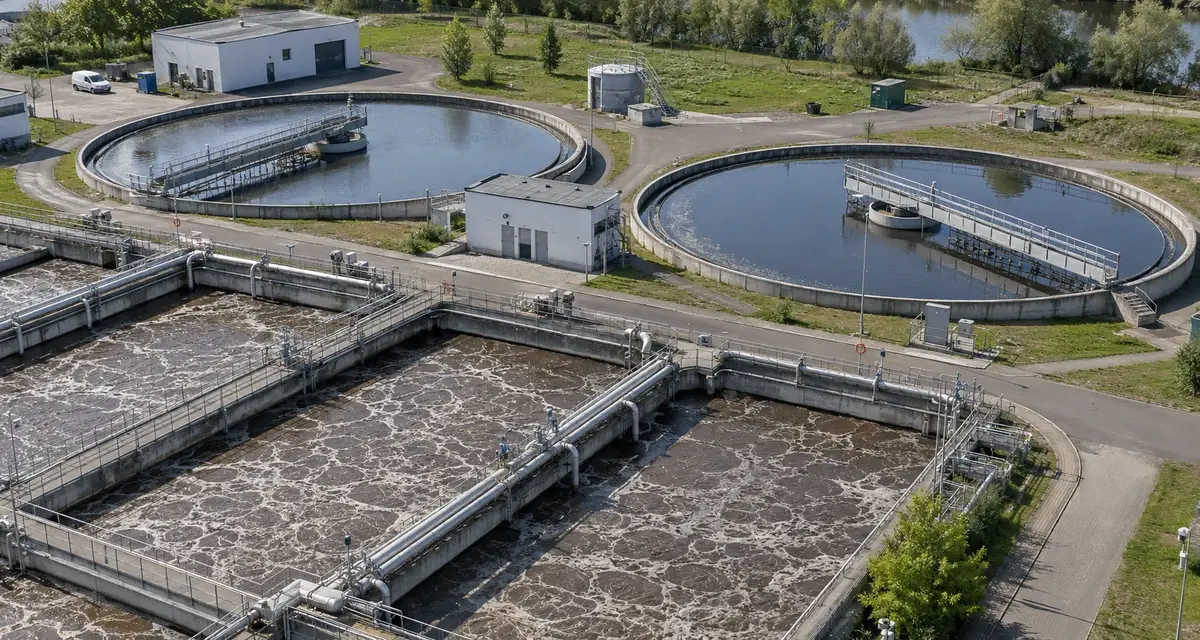
Wastewater treatment
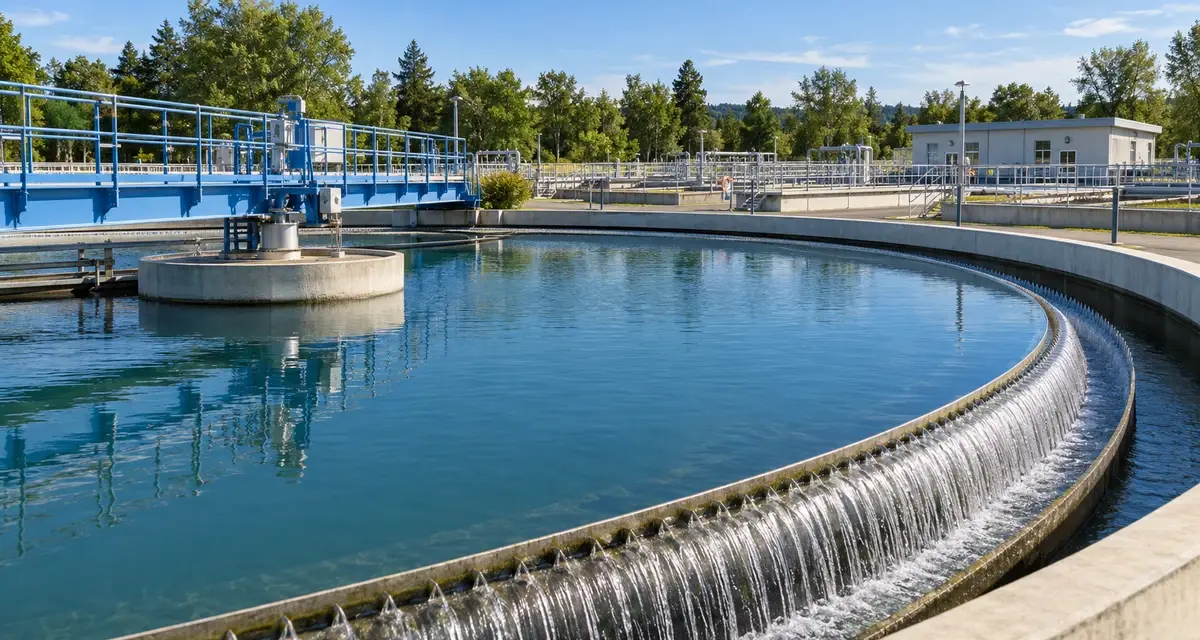
Drinking water treatment
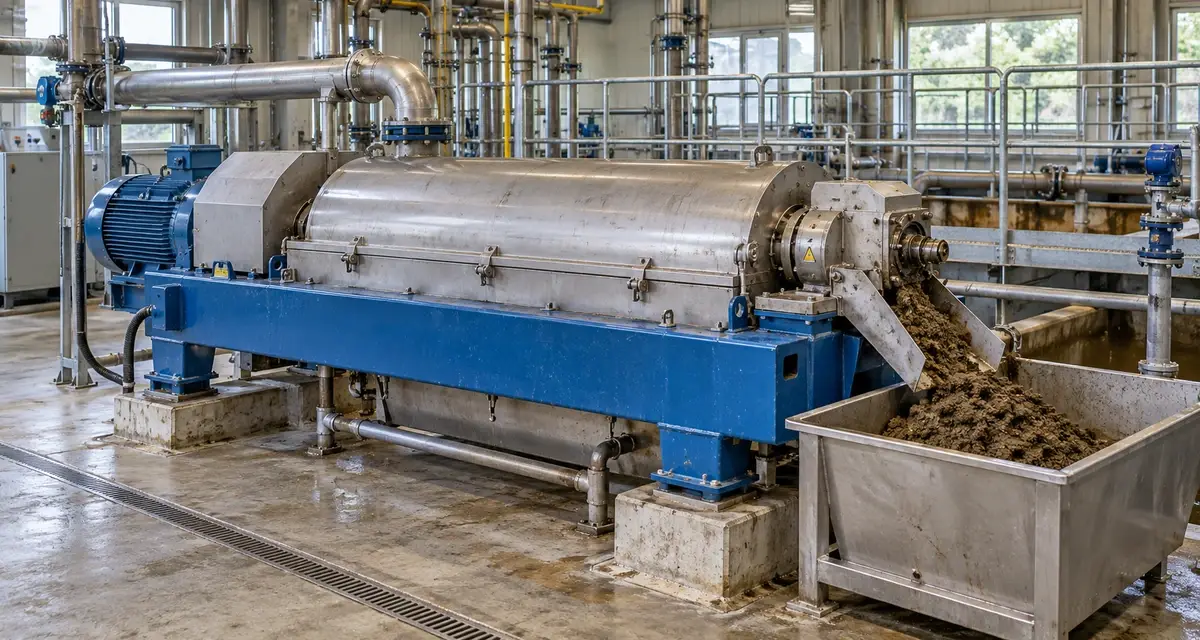
Sludge treatment and dewatering
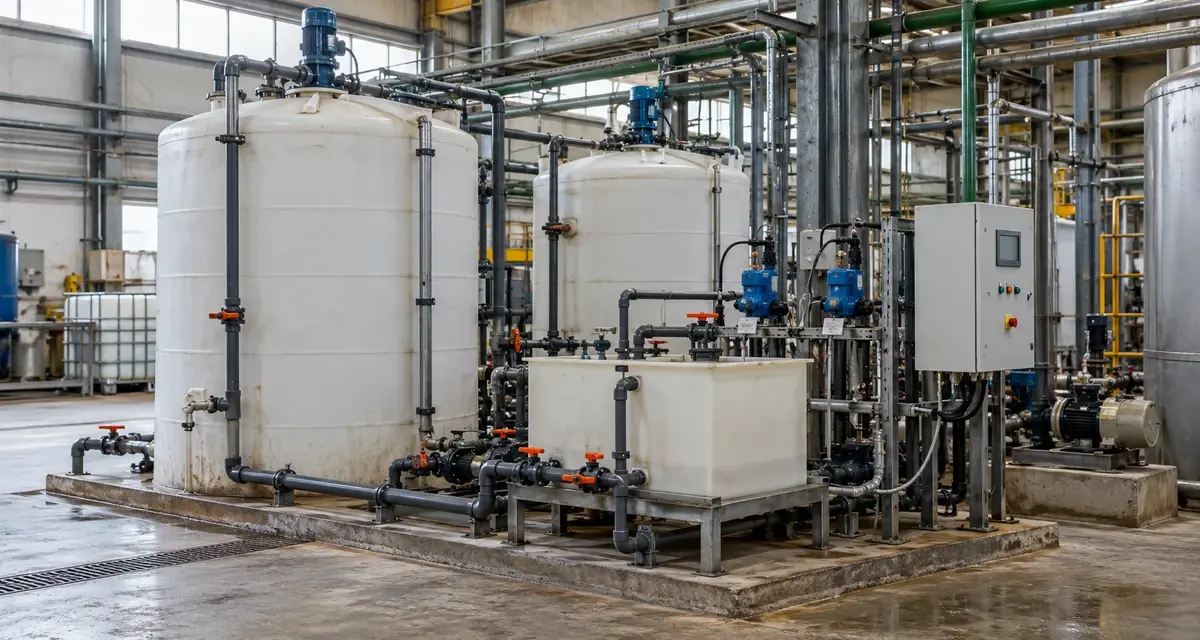
Industrial effluent treatment
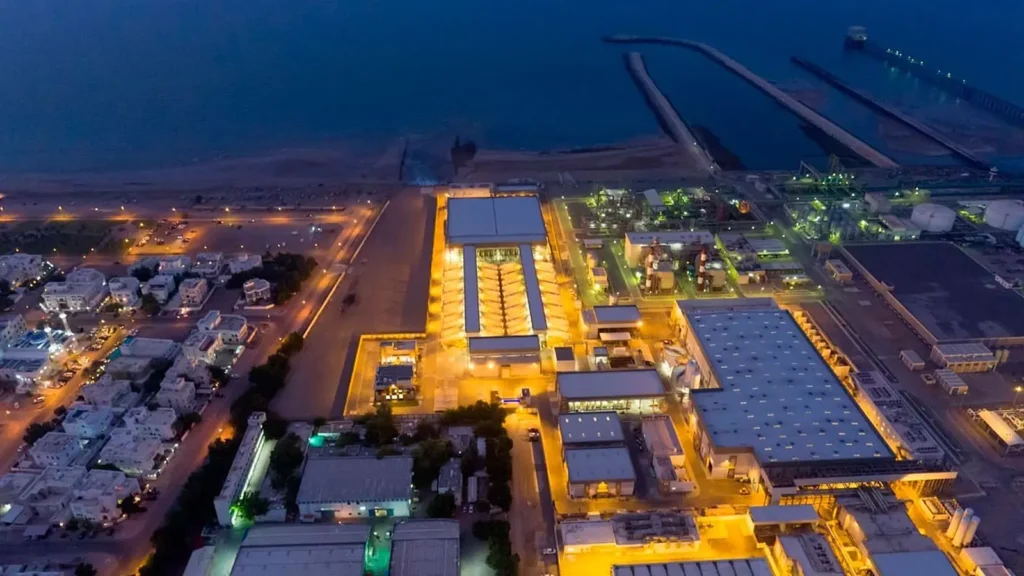
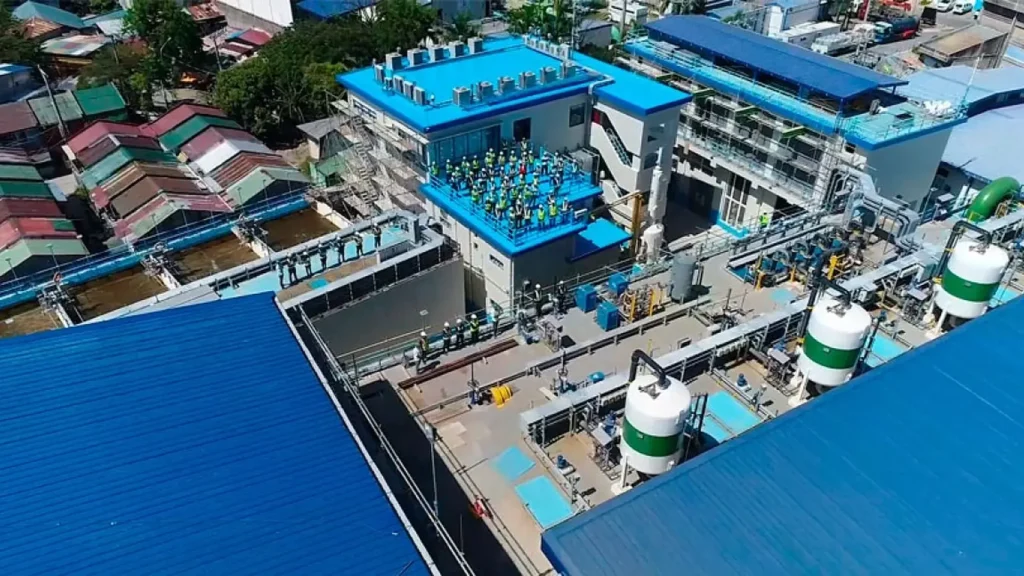
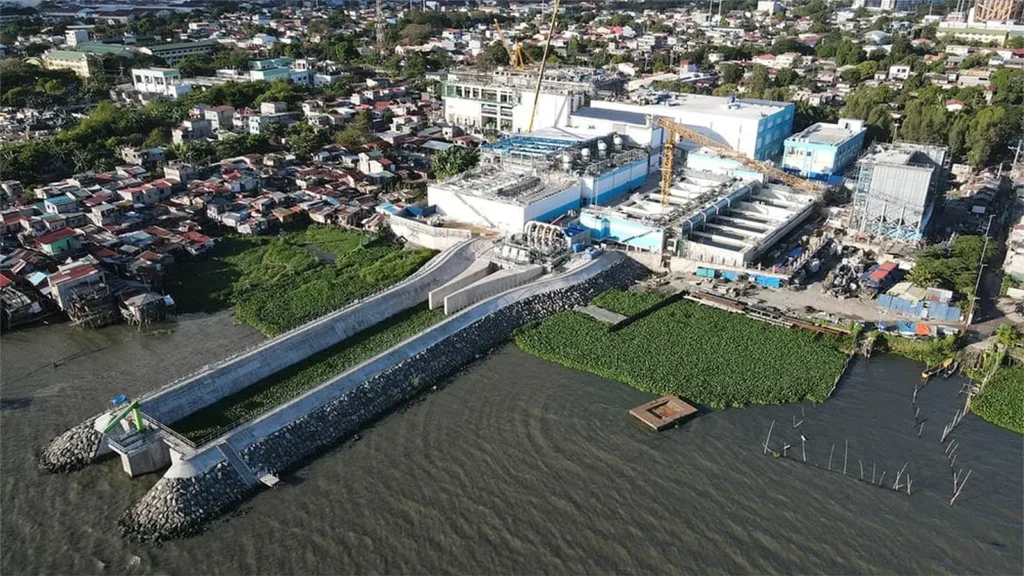
Filtration experience demonstrated in real-world installations.
KEIKEN’s experience in international water treatment projects demonstrates our ability to supply polyelectrolyte preparation and dosing solutions for technically demanding plants.
Everything you need to know about polyelectrolyte preparation.
What is a polyelectrolyte preparation unit?
It is a system for mixing, hydrating and maturing flocculant polymers to produce a consistent solution ready for dosing.
How does an automatic polyelectrolyte preparation unit work?
AUTOFLOK units integrate the main stages of dissolution, maturation and transfer, controlling the preparation process automatically.
What is the difference between powdered and liquid polyelectrolyte preparation?
Powdered polymer requires adequate dispersion and hydration to avoid lumps and achieve a uniform solution. Liquid products have different dilution and handling requirements.
Where are polyelectrolyte dosing units used?
They are mainly used in wastewater treatment, sludge treatment and dewatering, drinking water treatment and industrial water processes.
What are the benefits of automatic polyelectrolyte preparation?
Automatic units improve control over preparation conditions, reduce manual intervention and provide a more stable feed to the process.
What information is needed to size an AUTOFLOK unit?
We need polymer consumption, product form, preparation concentration, required flow rate and application details.
Automate polyelectrolyte preparation at your facility.
Do you need a polyelectrolyte preparation and dosing unit? Our technical team can help define the best AUTOFLOK solution according to polymer consumption, preparation capacity and process requirements.

We are a B Corp company
B Corp certification independently assesses a company’s environmental and social performance, transparency and legal accountability. For us, it is more than a label: it provides a framework for our technical decisions. Every plant we design is also assessed for its energy consumption, the water footprint it helps reduce and its impact where it is installed.