A pool with crystal-clear water is many people’s dream, but keeping it that way is not as easy as it looks and depends on several factors. One of the main requirements is an effective filter, regularly maintained, to remove dirt and debris from the water.
Without filtration, particles settle at the bottom of the pool, making the water cloudy and even encouraging algae growth, and the build-up of dirt also affects pool fittings. Filtration keeps the water fresh, clean and healthy. Several types of filter are used in pools today, including sand filters, bag filters and cartridges.
Cartridge filters for water filtration are among the most popular. Like any filtration equipment, they need regular maintenance and replacement. Read on to find out how they work and what maintenance they need to stay in good condition.
How do cartridge filters work?
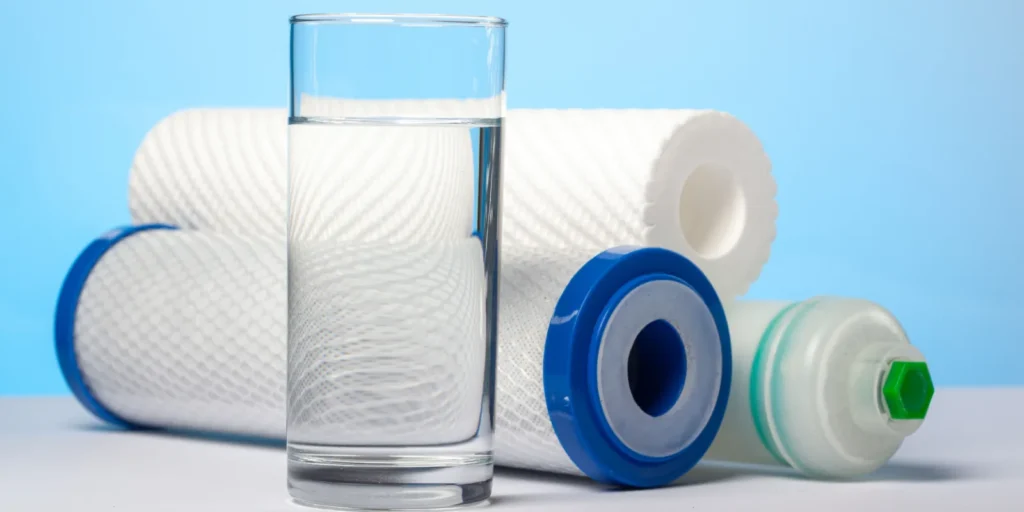
Cartridge filters use a filter medium that removes fine particles from the water. As the water passes through the medium, the particles are retained. Cartridges offer a large filtration area and low running costs compared with bag and sand filters.
Many leading manufacturers state particle retention of 99.9% within a specified micron range. Over time, however, the effectiveness of cartridge filters falls as debris builds up, which can be controlled through regular maintenance.
Essential maintenance tips for cartridge filters
As mentioned, a build-up of debris and dirt stops the filter working as it should. To prevent this:
- Clean the filter monthly by removing it from the housing and rinsing it with a garden hose.
- Clean it from top to bottom, opening the pleats to remove debris.
- Use low to medium water pressure to avoid damaging the pleats.
- For a deep clean, soak the cartridge overnight in water with a filter cleaning solution, then rinse with clean water.
- Keep this deep clean to once every three months, as it leaves the pool without a filter overnight. Keep a spare cartridge to use in the meantime.
These tips help maintain the performance and life of cartridge filters. Even so, every cartridge eventually needs replacing. The next section explains the signs to look for.
When should a cartridge filter be replaced?
Replacing the filter every year is advisable, although a well-maintained cartridge can last almost two years. During monthly maintenance, look out for:
- wear on the cartridge
- damaged pleats
- microbial or algae growth that cannot be removed by cleaning.
If you see any of these signs, it is time to replace the filter. These are the factors to consider when choosing a replacement.
How to choose a cartridge filter for your pool
If you are happy with your current filter, it is best to order the same model; you will find the reference and brand on the bottom of the cartridge. Several leading manufacturers offer equivalent products. If you need a different cartridge, follow these steps:
- Measure the existing cartridge: common diameters are 2½”, 2¾” and 4½”, with 2¾” being the most common.
- Check the cartridge material: options include polyethersulphone (PES), polypropylene, cotton, rayon and others.
- Check the end cap material and configuration: gasket materials include silicone, Buna-N and PTFE; end configurations include single open end and double open end.
Conclusion
If you are still unsure which filter to choose, ask a trusted supplier of cartridges and other pool supplies; they can help you make the right decision.
KEIKEN supplies cartridge filters for water filtration. For efficient water solutions for your home or business, call +34 910 577 254 or contact us.