Every home needs clean, clear water, yet turbid water, suspended particles and poor water quality are problems many people face. This is leading users to look for more effective treatment options. One of the more recent solutions is polyelectrolyte preparation, which plays a key role in improving treatment efficiency and water clarity.
Polyelectrolytes bind the tiny particles in water together, making them easier to remove. Used with simple preparation systems, they make water treatment easier and deliver fast, visible results. Let’s look at how the process works and why it is becoming a preferred option.
How does polyelectrolyte preparation improve water clarity?
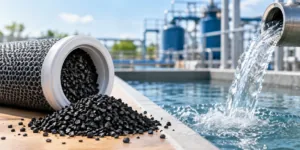
Polyelectrolyte preparation improves water clarity by aiding coagulation and flocculation. Put simply, it helps small particles in the water join together to form larger aggregates known as flocs, which settle or are filtered out easily. Poorly treated water contains impurities that stay in suspension because the particles are too small to settle: dirt, organic matter and fine substances. Polyelectrolytes act as binding agents, attracting these particles and joining them into larger masses. Once flocs form, they are removed by filtration or settle to the bottom, leaving cleaner, clearer water. It is a fast, effective solution for homes dealing with turbid or sediment-laden water.
Is polyelectrolyte a safe option for everyday water treatment?
Yes. Used in the correct quantities in water treatment systems, polyelectrolytes are generally safe. Most treatment-grade polyelectrolytes are properly processed, safe and used in municipal water treatment, which makes them reliable products.
Dosing must be controlled, even at small scale. Modern dosing technologies ensure accurate mixing and dosing, reducing the risk of overdosing. Used in suitable quantities, polyelectrolytes do not affect water quality; instead, they help remove harmful contaminants and ultimately improve safety.
How does a polyelectrolyte preparation unit work?
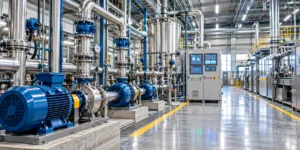
A polyelectrolyte preparation unit is simple and effective to operate. It automates most of the process, so no specialist knowledge is needed. First, the polyelectrolyte, in powder or liquid form, is mixed with water in a controlled tank. The solution is then left to mature so that it activates. Finally, the system doses the prepared solution into the water flow at the right rate. Modern units include automatic controls, sensors and timers that ensure uniform mixing and correct dosing, minimising manual work and errors. These systems are practical and reliable, even in homes or small-scale applications.
Polyelectrolyte preparation has several advantages that make it a valuable part of modern water treatment. It increases filtration efficiency, shortens treatment time and improves water clarity. Compared with conventional techniques, it is faster and less labour-intensive, and it supports sustainable use. The process adapts to different water conditions and suits a wide range of uses, which is why it is gaining ground in homes and industry alike.
How long does polyelectrolyte preparation take in modern units?
Preparation time depends on the specific polyelectrolyte and the system configuration. In most modern units, preparation can be completed in 30 to 60 minutes, including mixing, activation (maturation) and stabilisation of the solution. Advanced systems optimise the process with efficient mixers and tank designs. Regular operator training also ensures ready-to-use solution is always available without long waits. For users, this means shorter treatment cycles and greater efficiency. Once running, the system can maintain a continuous flow, ensuring consistent, uninterrupted treatment.
Where can you find reliable polyelectrolyte preparation solutions?
Many suppliers offer equipment and materials, but quality and performance vary. Points to consider:
- Choose companies with proven water treatment experience
- Look for automated, easy-to-operate systems
- Check product quality and compliance with standards
- Make sure after-sales service and technical support are available
- Select features that match your water treatment needs
Keiken Engineering offers effective solutions for both industrial and small-scale applications, with an emphasis on reliability, ease of use and predictable performance.
Conclusion
Polyelectrolyte preparation is an important part of modern water treatment. It makes impurities easier to remove and delivers clear, safe water efficiently. Easy to operate, quick to prepare and effective, it is a practical way to improve water quality. Contact us on +34 910 577 254 or find out more. For anyone considering upgrading their water treatment system, polyelectrolyte preparation is a smart, effective option.
Frequently asked questions
What are polyelectrolytes used for in water treatment?
Polyelectrolytes bind tiny particles together so that they can be removed.
Can polyelectrolyte be used at home?
Yes. A small-scale system using polyelectrolyte is suitable for domestic use.
Does polyelectrolyte remove bacteria from water?
Polyelectrolyte mainly removes suspended matter, but it also contributes to overall purification.
Does a polyelectrolyte preparation unit need maintenance?
Yes. Regular cleaning and inspection are needed to keep it working properly.